
Reimagining Eldercare: Is Institutional Care a True Home or Just a "Dumping Ground"?
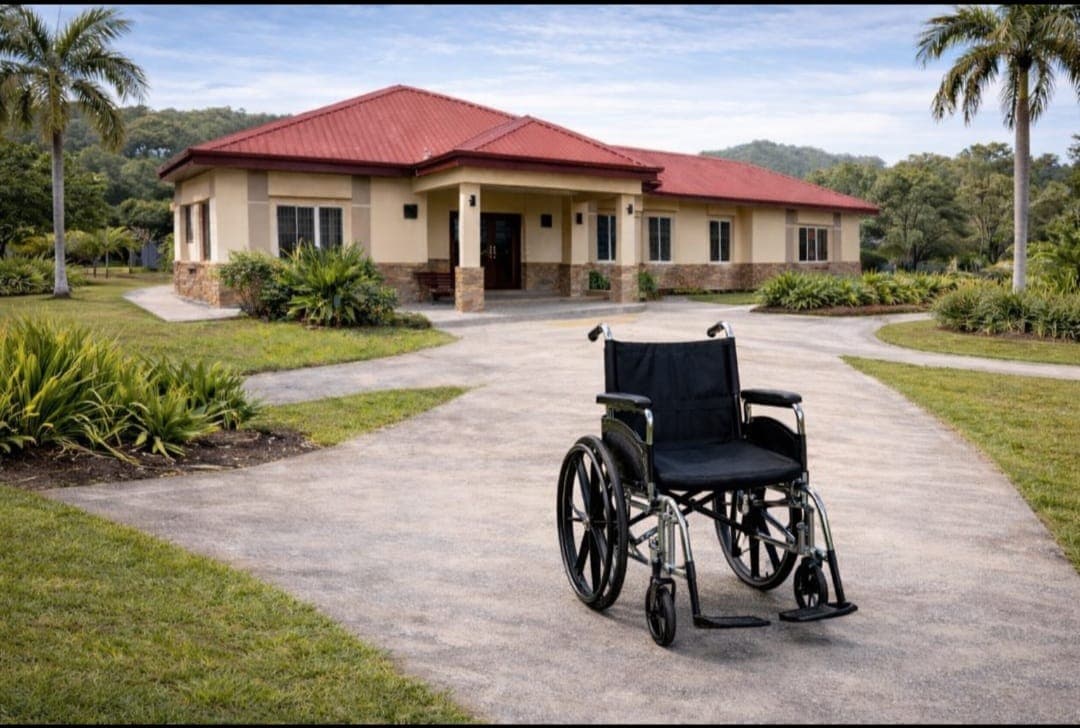
Institutional care should support family love and responsibility, not substitute it.
The way society cares for the ageing population is shifting due to migration, smaller family sizes, and longer life expectancies. Policy debates often focus on economics and logistics. However, a deeper moral question remains: when an older adult moves into a care facility, are they gaining a new home, or are they quietly being set aside?
Global research reveals two simultaneous truths. Family connection is vital to an older adult's well-being, and formal care can support—but never replace—that emotional bond.
Why Family Presence Still Matters Most
Across all cultures, older adults who receive a mix of practical family help and emotional closeness report higher life satisfaction and lower rates of depression. Conversely, emotional neglect and loneliness consistently lead to poorer physical and mental health.
Even in countries with strong welfare states and formal services, adult children remain the backbone of eldercare. Studies show that children do not show up out of abstract duty alone. Instead, warm, trusting bonds built over a lifetime drive actual hands-on support.
Institutional care should support family love and responsibility, not substitute it. When children withdraw emotionally and rely entirely on institutions or technology, ageing parents lose both their daily support system and their sense of identity.
What Care Facilities Do Well
1. Provide adequate or high-quality medical care.
2. Maintain physical and medical stability.
3. Relieve crushing caregiver burnout and family strain.
Where Care Facilities Fall Short
1. Impose rigid routines that erode individuality and autonomy.
2. Dictate when a resident eats, sleeps, or pursues hobbies.
3. Risk is associated with a loss of self, loneliness, and stigma.
Ultimately, a facility can serve as an essential safety net, but it is not a full substitute for family presence. Being medically stable is simply not the same as feeling "at home."
How Family Dynamics Shape Perceptions of Care
Family relationships do not end at the admission desk. They travel with the older adult and deeply colour how institutional care is experienced. A large scoping review of care home residents in Nigeria highlights this reality. When family ties weakened, visits became rare, or past conflicts went unaddressed, residents frequently described feeling "dumped" or abandoned. These individuals reported a lack of love, respect, and affection, explicitly stating they felt "left there" by their children. In these cases, the facility becomes a physical symbol of a broken relationship.
By contrast, where family relationships are warm and supportive, older adults report high life satisfaction and lower depression—regardless of whether they live at home or in a facility. Strong emotional support from children even acts as a buffer against daily stress. The exact same facility can feel like a refuge or a rejection, depending entirely on the emotional climate of the family.
The Role of Caregivers: Turning Buildings into Homes
If families bring the emotional history, staff members shape the daily reality. Their goal is to move care from a one-sided task ("doing for") into a shared experience ("living with").
Evidence shows that relationship-centred care—where staff view residents and families as active partners improves dignity and collaboration. Effective caregiving relies on four main pillars:
People Over Tasks: Caregivers learn residents' life stories, preferences, and daily rhythms to counter depersonalising institutional routines.
Working With Families: Families want to be involved in ongoing decisions, not just informed after the fact. Collaborative care turns a handover into a true partnership.
Acting as Bridges: Clear communication from staff prevents families from feeling shut out, softening feelings of abandonment.
Supporting Autonomy: Encouraging residents to do what they can for themselves preserves their dignity, agency, and sense of competence.
Supporting the Support System
Caregivers carry heavy physical and emotional burdens, often leading to exhaustion, guilt, and social isolation. When staff strain is ignored, the quality of care drops. However, when caregivers are properly trained, emotionally supported, and valued, they deliver the compassionate, relationship-centred care that makes a facility feel like home.
Striking the Balance: Partnership, Not Abdication
Institutional care succeeds as a true home when:
1. Families stay emotionally present through calls, visits, advocacy, and shared choices.
2. Staff practice relationship-centred care and invite families into the daily community.
3. Teamwork between staff and families supports the resident's independence and mood.
Institutional care fails as a dumping ground when:
1. Family conflict or withdrawal leads to rare visits and unresolved resentment.
2. Organisational routines override individual choice, making care purely task-driven.
3. Families are treated as outsiders, and overburdened staff lack the time to build bonds.
The Way Forward for Care Facilities
When professional care and family presence balance perfectly, older adults benefit from expert medical attention while remaining loved, remembered, and claimed by their children. For forward-thinking care homes, like Raphe Adultcare Centre, the mission is twofold:
Educate Families: Invite loved ones to remain emotionally and relationally present, even when they can no longer handle daily physical care.
Equip Caregivers: Provide staff with the training, emotional support, and culture needed to offer collaborative, relationship-centred care.
A building does not decide whether institutional care is a sanctuary or a dumping ground. People do through the quality of their relationships, the ownership of their responsibilities, and the courage to stay connected.
About the Author
Theodore Ihenetu
I am passionate about building accessible residential care and nursing homes for older adults and individuals with special care needs. With a background in Social Gerontology (social work with older adults), Early Childhood and Primary Education and a PhD (in view) at the University of Nigeria, Nsukka, my work bridges research, faith, and frontline care. I collaborate with allied healthcare professionals and non-profit partners to develop practical, tech-enabled solutions that help older adults and care partners live safely, confidently, and with dignity, whether at home or in residential care settings.
Stay Connected
Sign up for our free newsletter to receive updates, stories, and ways to get involved.