
Connection Is What Keeps Us Alive: The Heart of True Care
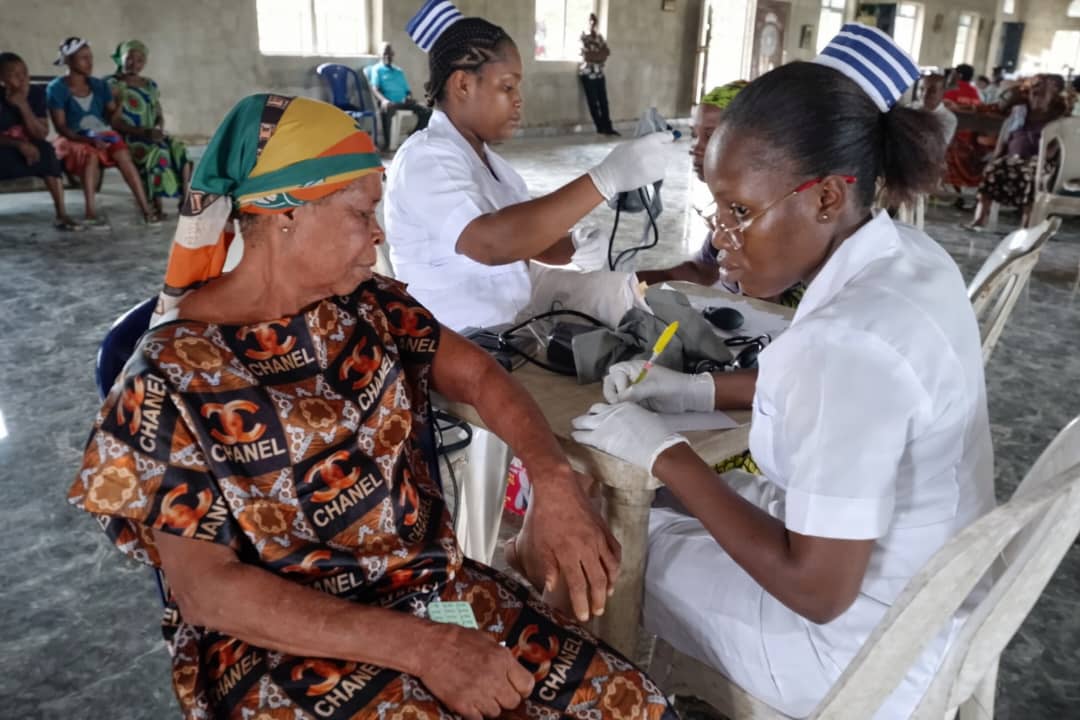
Medications heal the body. Routines create stability. But connection heals something deeper. It reminds each person in our care:
Care has never been just about pills, charts, or perfectly followed routines. Those things matter, but they are not what truly keeps people alive on the inside. What sustains the human spirit is far more fragile and far more powerful: connection.
To be cared for is to be seen, heard, and held in community. It is the comfort of a familiar voice, the warmth of shared laughter, the reassurance that you matter to someone. In any care programme—especially in adult and elder care—this is not an “extra.” It is the core.
Beyond Medications and Schedules
Modern care systems are often built around efficiency and management:
· Correct medications at the right time
· Structured routines
· Monitoring vitals and documenting progress
All of these are essential for health. But a person can receive flawless medical care and still feel deeply alone. Without connection, care becomes mechanical. People feel like “cases” instead of human beings with stories, histories, fears, and hopes.
True care asks a different set of questions:
1. Did they smile today?
2. Did someone listen to them without rushing?
3. Did they feel valued, not just managed?
When we answer “yes” to these questions, we move from maintenance to meaning.
The Power of Laughter and Shared Moments
Laughter in a care setting is not trivial—it is therapeutic. A joke shared over breakfast, a memory that sparks a grin, a song that everyone hums along to… these moments lower anxiety, ease pain, and remind people that joy is still possible.
Shared moments—playing a game, telling stories from the past, celebrating birthdays or cultural holidays—rebuild identity. They say, You are more than your illness. You are more than your age. You are still you. In these small, everyday acts, people rediscover dignity. They move from feeling like “a burden” to feeling like a participant in life.
Being Seen and Feeling You Belong
One of the deepest human needs is to feel seen—not for what we can do, but for who we are. In care environments, this might look like:
· A caregiver who remembers how a resident likes their tea
· Someone asking about a grandchild by name
· Staff who know the story behind a scar, a silence, or a smile
Belonging is built when people are not just placed in a facility, but welcomed into a community. It is the difference between “this is where I stay” and “this is my place.” When someone feels they belong, their will to live, heal, and engage grows stronger.
Why Social Support Groups Matter So Much
This is where social support groups become a core part of any meaningful care programme—not a side activity, but a central pillar. Social support groups create structured opportunities for:
· Sharing stories: People talk about their journeys, challenges, and victories. They realise, I am not the only one going through this.
· Mutual encouragement: Instead of only receiving care, participants also give care—to each other. That sense of usefulness is powerful.
· Learning together: Groups can explore topics like managing chronic illness, grief, lifestyle changes, or coping strategies.
· Building friendships: Over time, faces become familiar, names become dear, and group meetings become something to look forward to, not just attend.
In these spaces, connection is intentional. Loneliness slowly loosens its grip. People who arrived withdrawn begin to speak. Those who felt invisible begin to shine.
Connection as a Form of Treatment
When we say “connection keeps us alive,” we are not speaking poetically. Isolation is linked to worse health outcomes, higher stress, and deeper depression. On the other hand, strong social ties are associated with better recovery, improved mood, and even longer life.
So, every time a care centre facilitates a support group, organises a shared activity, or simply creates more time for conversation, it is doing more than filling a schedule. It is protecting mental health, strengthening resilience, and nurturing hope.
Redefining What Good Care Looks Like
If we redefine care only as tasks completed, we will miss the most important part of the work. Good care must be measured not only by:
· Medication accuracy
· Cleanliness
· Safety
But also by:
· The quality of relationships
· The presence of joy
· The depth of trust
· The feeling of community
A truly holistic care programme will always ask: How are we strengthening connection today?
And in answering that question, social support groups stand at the centre—as living proof that when people are together, listened to, and valued, they do not just survive. They come alive.
In the End, Connection Is the Care
Medications heal the body. Routines create stability. But connection heals something deeper. It reminds each person in our care:
You are not alone. You are not forgotten. You still belong.
That is why, in any care programme committed to dignity and humanity, social support groups are not an optional add-on. They are the heart of the work—because connection is what truly keeps us alive.
About the Author
Theodore Ihenetu
I am passionate about building accessible residential care and nursing homes for older adults and individuals with special care needs. With a background in Social Gerontology (social work with older adults), Early Childhood and Primary Education and a PhD (in view) at the University of Nigeria, Nsukka, my work bridges research, faith, and frontline care. I collaborate with allied healthcare professionals and non-profit partners to develop practical, tech-enabled solutions that help older adults and care partners live safely, confidently, and with dignity, whether at home or in residential care settings.
Stay Connected
Sign up for our free newsletter to receive updates, stories, and ways to get involved.